
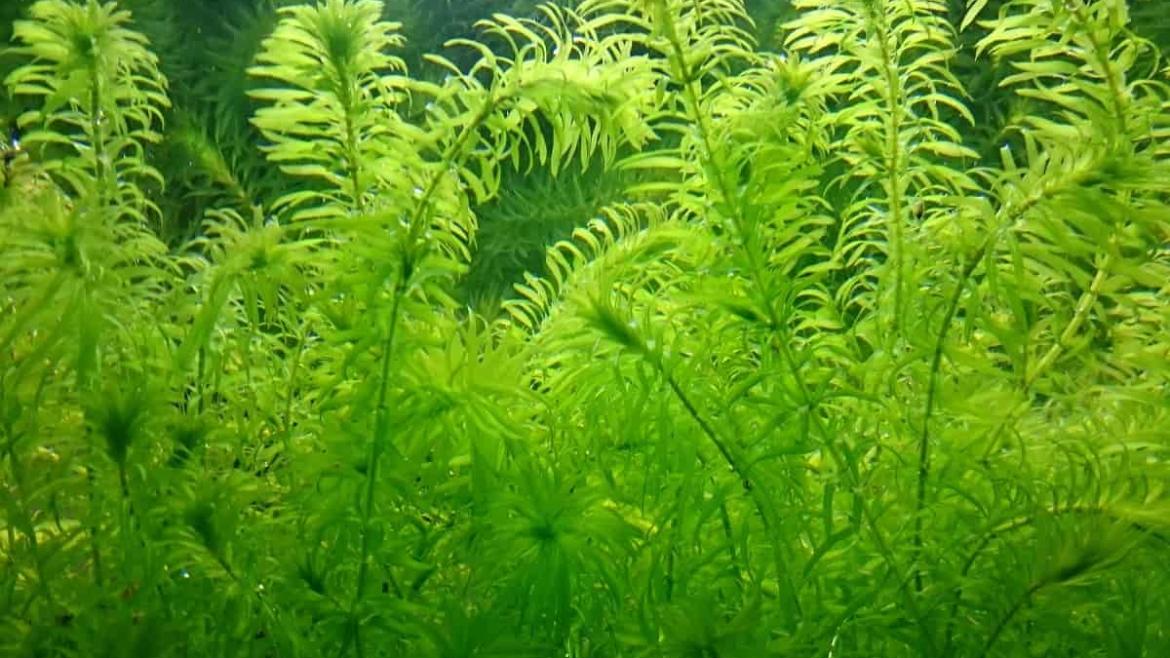
How To Plant Elodea Densa In The Pond
Facebook
Twitter
LinkedIn

Transform your backyard pond into a crystal-clear, oxygen-rich ecosystem with Elodea densa—one of the most versatile and fast-growing aquatic plants. In this comprehensive, step-by-step guide, you’ll learn everything from the plant’s biology to advanced maintenance techniques, ensuring a lush underwater garden that outcompetes algae and supports healthy fish populations.

Picture yourself on a warm afternoon, gazing into your backyard pond. Instead of murky water and floating debris, you see undulating ribbons of vibrant green, teeming with tiny aquatic life and crystal clarity. That dream landscape is within reach—and Elodea densa (commonly called Brazilian waterweed) is the key.

Elodea densa isn’t just decorative. It oxygenates the water, absorbs excess nutrients, and provides crucial habitat for fish fry and beneficial microorganisms. Best of all, it tolerates a wide range of temperatures, pH levels, and light conditions. Whether you’re launching a brand-new pond or reviving an aging one, this guide will walk you through:

  1. The biology and benefits of Elodea densa
  2. Planning and designing the ideal pond environment
  3. Choosing and preparing healthy plant stock
  4. Step-by-step planting techniques
  5. Ongoing care, propagation, and troubleshooting
  6. Integrating companion species for a balanced ecosystem
  7. Sustainable practices and regulatory considerations

By following these detailed steps, you’ll cultivate a self-sustaining aquatic oasis that stays clear, vibrant, and biologically diverse—all season long. Let’s dive in!

Understanding Elodea densa: Biology & Benefits

Elodea densa is a submerged, perennial aquatic plant belonging to the Hydrocharitaceae family. Native to South America, it has become popular worldwide for pond and aquarium use due to its resilient nature and rapid growth. Here’s what makes it a pond superstar:

Morphology & Growth Habits

  • Stems and leaves: Thin, flexible stems bearing whorls of 3–8 narrow, translucent leaves at each node.
  • Rooting: Adventitious roots form at lower nodes when buried, allowing even small fragments to establish.
  • Height: Can reach 30–100 cm, depending on water depth and light.

Photosynthetic Efficiency

  • High chloroplast density: Maximizes light capture in underwater environments.
  • C₃ photosynthesis: Suited for cooler water temperatures and diffuse light.

Key Benefits

  1. Oxygenation: During daylight, Elodea releases significant dissolved oxygen—crucial for healthy fish, amphibians, and aerobic bacteria.
  2. Algae Suppression: A thick canopy shades the water, starving nuisance algae of sunlight.
  3. Nutrient Uptake: Absorbs nitrates (NO₃⁻) and phosphates (PO₄³⁻), helping to balance water chemistry and prevent algal blooms.
  4. Habitat Creation: Provides refuge for fish fry, invertebrates (like dragonfly larvae), and biofilm-forming bacteria that drive the nitrogen cycle.
  5. Carbon Sequestration: Rapid biomass accumulation locks away carbon, mitigating greenhouse gas release when plants are managed responsibly.

Understanding these traits will inform decisions on stocking density, pruning frequency, and how Elodea interacts with other pond inhabitants. Armed with this foundation, you can optimize growth conditions and leverage the plant’s natural strengths.

Pond Planning & Design Considerations

Before introducing Elodea densa, take a bird’s-eye view of your pond’s design. Thoughtful planning ensures long-term success.

Pond Zones

Divide your pond into three functional depth zones:

  • Marginal zone (0–15 cm): Ideal for emergent plants like irises and rushes; helps filter runoff.
  • Planting zone (15–50 cm): Where Elodea densa thrives—protected from freezing in cold snaps, yet shallow enough for ample light.
  • Deep zone (>50 cm): Provides temperature refuge for fish and invertebrates during extreme seasons.

Shape & Circulation

  • Avoid sharp corners: Rounded perimeters promote uniform flow and minimize dead spots where debris accumulates.
  • Water movement: Install a gentle circulator, fountain, or waterfall to oxygenate deeper layers and discourage stagnant areas. Elodea benefits from low to moderate currents—too strong, and stems may uproot.

Light Exposure

  • Sunlight requirements: Target 6–8 hours of direct sun for robust growth.
  • Shaded spots: If your pond is partially shaded by trees or structures, supplement with submersible full-spectrum LEDs to maintain consistent growth.

Filtration & Overflow

  • Mechanical/biological filters: Pair Elodea’s nutrient uptake with a filter system that traps larger particulates (leaves, fish waste).
  • Skimmer placement: Position outflows so they don’t cut directly through Elodea beds—use fine mesh guards to prevent plant fragments escaping and becoming invasive.

Safety & Accessibility

  • Edge design: Gentle slopes or steps allow easy access for planting and maintenance.
  • Wildlife considerations: If waterfowl or pets frequent your yard, plan planting pockets behind rocks or in baskets to protect stems from grazing.

By mapping out these design elements, you’ll create a stable, healthy environment that supports vigorous Elodea growth and simplifies future care.

Selecting & Sourcing Healthy Elodea Stock

Quality matters. Starting with vigorous, pest-free plants sets the stage for success.

  1. Choose reputable suppliers.
    • Local aquatic plant nurseries or specialty online retailers minimize the risk of invasive hitchhikers (snails, algae, pathogens).
  2. Inspect before you buy.
    • Leaf color: Deep, translucent green—no yellow or brown spots.
    • Stem firmness: Snip a stem; it should snap crisply, not bend limply.
    • Absence of slime: A slimy coating can indicate bacterial or algal contamination.
  3. Determine quantity.
    • Rule of thumb: 10–15 stems per 100 gallons of water gives good initial coverage. You can always thin or expand later.
  4. Quarantine new arrivals.
    • Float bundles in a separate bucket of pond water for 3–5 days to watch for unwanted snail eggs or pest outbreaks before introducing them into your main pond.

Investing time in sourcing healthy stock pays dividends: you’ll minimize early losses, avoid pest introductions, and jump-start vigorous growth.

Preparing the Pond Environment

A little groundwork before planting ensures your Elodea takes root swiftly.

Debris Removal

  • Skimming: Use a fine-mesh net to remove fallen leaves, twigs, and old plant material that could decompose and spike nutrients.
  • Bottom vacuuming (optional): For ponds with heavy silt buildup, a gentle siphon cleaning helps expose fresh substrate.

Water Quality Testing

  • Parameters to test: pH (ideal 6.5–7.5), temperature (18–24 °C), general hardness (GH), and carbonate hardness (KH).
  • Adjusting pH: Use pond-safe buffers if pH drifts outside the optimal window.
  • Hardness considerations: A KH of 4–8 °dKH helps stabilize pH swings from photosynthesis.

Substrate & Soil

While Elodea can root in plain mud or gravel, enhancing the planting zone boosts establishment:

  • Layered approach:
    1. Base: 2–4 cm of coarse gravel (for drainage and anchoring).
    2. Middle: 1–2 cm of nutrient-rich aquatic soil or clay-based pond substrate.
    3. Top: 1 cm of sand to prevent the nutrient layer from clouding the water.
  • Fertilizer capsules: Tuck slow-release tabs near planting pockets for a nutrient boost over 4–6 months.

Beneficial Microbes

  • Inoculation: Add a pond bacterial starter to accelerate the colonization of nitrifying bacteria on plant surfaces and filter media.With substrate layers in place, stable water chemistry, and a clean basin, your pond is primed for an impressive Elodea takeover.

Step-by-Step Planting Guide

Time to get your hands wet! Follow these steps for efficient, secure planting:

  1. Unbundle & rinse.
    • Gently untie the stems and rinse under pond water. This removes debris and any packaging residues.
  2. Trim damaged sections.
    • Using clean, sharp scissors, snip off any yellowed or broken leaves. Healthy cuttings root faster.
  3. Create planting pockets.
    • In 15–30 cm of water, press out small depressions in the substrate about 15–20 cm apart.
  4. Insert the stems.
    • Bury the bottom 2–4 cm of each stem—the nodes in this section will develop roots. Leave the upper leaves free to capture light.
    • Plant 3–5 stems per pocket for a fuller initial appearance.
  5. Firm gently.
    • With your fingertips, press the substrate around each stem cluster to lock it in place without compacting too tightly.
  6. Weight anchoring (if needed).
    • In areas with moderate currents, tuck small river stones or biodegradable plant weights around the stems to prevent them from floating free.
  7. Label zones (optional).
    • Place waterproof plant labels or decorative markers to track planting dates and density—handy for later pruning or expansion.

Pro tip: If you’re planting along a gentle slope, stagger pocket depths to create a graduated look: deeper pockets in the back for taller growth, shallower nearer the edge for easier viewing and fish access.

Care & Maintenance: Lighting, Nutrients, Pruning

Once in the ground, Elodea densa requires surprisingly little fuss, but a regular care routine will keep it vigorous and under control.

Lighting

  • Natural sun: Aim for 6–8 hours of direct sunlight.
  • Supplemental lighting: In shaded ponds or during overcast seasons, install full-spectrum submersible LEDs. Position fixtures to bathe the planting zone evenly.

Fertilization

  • Liquid fertilizers: Use a balanced N-P-K formula (e.g., 10-5-5) dosed at 1 mL per 10 L weekly during the main growing season (spring through early fall).
  • Iron supplementation: If leaves yellow despite good light, add chelated iron (Fe-EDDHA) at 0.1 mg/L to prevent chlorosis.
  • Root tabs: Every 4–6 months, replace slow-release fertilizer capsules in the substrate pockets.

Water Testing Schedule

  • Weekly: Temperature and pH checks.
  • Monthly: Nitrate (NO₃⁻) and phosphate (PO₄³⁻) levels—keep nitrates under 30 mg/L and phosphates under 1 mg/L to deter algae.
  • Seasonal: Hardness (GH/KH) and comprehensive pond test kits.

Pruning & Thinning

  • Frequency: Every 2–4 weeks, depending on growth rate (faster in summer).
  • Technique: Trim back the top 10–20% of stems with scissors. Cut just above a leaf node to encourage bushier branching.
  • Clipping removal: Always scoop out trimmings—letting them decompose in the water spikes nutrients and fuels algae.

Monitoring Fish Impact

  • Many fish nibble on Elodea leaves. Observe feeding behavior; if grazing becomes excessive, provide floating plants (duckweed or water lettuce) as an alternative snack.

A consistent care schedule turns a potentially unruly hodgepodge of stems into a well-tended underwater meadow.

Propagation & Growth Control

Elodea densa’s knack for rapid, vegetative propagation is both an asset and a challenge. Harness this power wisely.

Propagation by Fragmentation

  • Stem cuttings:
    • Snip healthy, 10–15 cm tips from established stems.
    • Remove leaves from the lowest 2–3 nodes.
    • Plant each node 2–4 cm deep in the substrate—new roots emerge within a week.
  • Bundle division:
    • Uproot a clump, divide into smaller bundles of 5–8 stems, and replant to expand coverage or fill gaps.

Seasonal Propagation Timing

  • Spring (Mar–May): Water warming triggers root initiation—prime time for bulk propagation.
  • Autumn (Sept–Oct): Cooler temps slow algae competition; propagated cuttings can establish before winter.

Controlling Overgrowth

  • Manual thinning: Every 3–4 weeks, remove 15–25% of total biomass. Focus on the oldest, outermost shoots.
  • Harvest uses:
    • Compost dried trimmings to kill any remaining fragments before composting.
    • Share fresh cuttings with fellow gardeners or local schools for education programs.
  • Physical barriers:
    • In larger ponds, install mesh planting baskets or floating partitions to confine Elodea to designated zones.

Balancing Growth Rate

  • If you observe runaway growth:
    • Reduce fertilization frequency.
    • Increase partial water changes to lower nutrient levels.
    • Prune more aggressively until equilibrium returns.

By mastering fragmentation techniques and active thinning, you can maintain lush coverage without letting Elodea take over the entire pond.

Troubleshooting & Solutions

Even the hardiest pond plants can hit snags. Here are common issues and how to fix them:

Symptom Possible Cause Solution
Pale or yellowing leaves Iron or magnesium deficiency Add chelated iron; dose Epsom salts (MgSO₄) at 1 tsp/40 L
Stunted or no new growth Low light intensity Trim overhanging branches; add submersible LEDs
Algae coating on stems High phosphate/nitrate levels + low flow Prune out affected stems; increase water circulation; partial water change
Plants floating or uprooting Weak anchoring; strong currents Re-anchor with plant weights; reduce flow velocity near beds
Cloudy or green water Nutrient spike from decaying trimmings Remove all debris; perform 20–30% water change; skim surface
Excessive fish grazing Hungry fish; limited alternative food sources Introduce floating plants (duckweed) or supplemental feed
Slow root development in cuttings Cold water (<15 °C); poor node contact Move cuttings to warmer, sheltered zone; ensure nodes are buried


Key takeaway: Regular observation—ideally weekly—lets you catch small problems before they escalate. Keep a simple pond journal noting water tests, pruning dates, and any irregularities; patterns often emerge that point to underlying causes.

Companion Planting & Ecosystem Integration

A diverse plant palette creates balance:

  • Hornwort (Ceratophyllum demersum): Free-floating, midwater oxygenator.
  • Water Lily (Nymphaea spp.): Surface shade, reduces evaporation, provides resting spots for dragonflies.
  • Java Fern (Microsorum pteropus): Attaches to hardscape, adds vertical interest.
  • Duckweed (Lemna minor): Rapid surface cover, nutrient sponge, fish snack.

Complementing Elodea with these species spreads nutrient uptake across depths, discourages algal takeover, and supports a wider array of invertebrates and amphibians. Always research each species’ temperature and light needs before mixing.

Sustainability & Regulatory Considerations

Elodea densa is classified as invasive in some regions. To use it responsibly:

  • Check local regulations. Obtain permits if required; follow guidelines for containment.
  • Containment measures. Install fine-mesh guards on skimmers and overflow outlets to catch escaping fragments.
  • Responsible disposal. Never dump plants or pond water into natural waterways. Dry trimmings completely before discarding or composting.
  • Community sharing. Donate excess cuttings to aquarium clubs or educational programs rather than releasing them outdoors.

By following these best practices, you’ll protect native ecosystems while enjoying your vibrant pond garden.

Conclusion

Elodea densa is more than just a pretty underwater fern—it’s a powerhouse for pond health. With its rapid oxygenation, nutrient absorption, and habitat provision, this versatile waterweed helps you maintain clear water and balanced ecosystems with surprisingly little effort. Key takeaways:

  1. Plan thoughtfully. Design your pond zones, circulation, and lighting to suit Elodea’s needs.
  2. Source quality stock. Inspect for health, quarantine new arrivals, and plant at proper densities.
  3. Prep the environment. Layer substrates, test water parameters, and inoculate with beneficial microbes.
  4. Plant with care. Use pocket or basket methods, anchor where needed, and stagger depths for visual appeal.
  5. Maintain regularly. Monitor light, nutrients, and water quality. Prune and thin at consistent intervals.
  6. Propagate & control. Leverage fragmentation but prevent runaway growth through planned thinning.
  7. Troubleshoot swiftly. Keep a journal, observe weekly, and act on symptoms before they worsen.
  8. Integrate companions. Add floating, emergent, and hardscape-attached plants for a balanced ecosystem.
  9. Practice sustainability. Follow containment and disposal guidelines to protect natural waterways.

By mastering each of these areas, you’ll cultivate a lush, self-sustaining pond ecosystem that delights the eye, supports wildlife, and offers season-after-season enjoyment. So grab your gloves, shears, and water test kit—your underwater paradise awaits!

Picture of Suliman Imam

Suliman Imam

Water Features Specialist

Midwest Pond Features and Landscape specializes in designing and constructing unique outdoor spaces that enhance the beauty of your home or business. Our services include the installation and maintenance of pondless waterfalls, fountainscapes, and ponds, as well as other landscape features. Our team of experts puts their skills to work to create a customized look that perfectly fits your space. Trust us to make your outdoor dreams a reality.

Contact Us Now

Service Areas

Address

Glen Ellyn, IL 60137.
Contact
(630) 407-1415

Mon-Fri: 8.00 am - 8.00 pm
Sat: 10.00 am - 5.00 pm

hello@midwestpondfeatures.com

All Rights Reserved Midwest Pond Features & Landscape. ® 2025 Designed By Tensor Solutions.